

close
Choose Your Site
Global
Social Media


| Quantity: | |
|---|---|
The Eco-Friendly Composite BOPP Woven Bag for Feed Packaging is an advanced, multi-layer packaging solution designed specifically for the animal feed industry — serving poultry feed, livestock feed, aquaculture feed, pet food, feed premixes, and feed concentrates. By combining a polypropylene (PP) woven fabric core with a biaxially oriented polypropylene (BOPP) film laminate, and incorporating recyclable mono-material design principles, this bag delivers the structural strength, moisture protection, print quality, and environmental responsibility that modern feed manufacturers, distributors, and regulatory bodies demand.
The global animal feed industry packages and distributes millions of tons of product annually in woven sacks. Traditional feed bags — whether plain PP woven, paper, or mixed-material laminates — have served the industry for decades, but growing environmental regulations, corporate sustainability commitments, and consumer expectations are driving a fundamental shift toward packaging that performs at the highest level while minimizing environmental footprint. The composite BOPP woven bag addresses this challenge directly: by using PP for both the woven fabric and the laminate film, the bag achieves a mono-material construction that is significantly easier to recycle than mixed-material alternatives such as PET/PP or paper/PE composites. This makes it an eco-friendly choice without compromising on the strength, barrier properties, or print quality that feed packaging demands.
Available in a wide range of sizes — from small 5 kg retail pet food bags to heavy-duty 50 kg industrial feed sacks — and fully customizable with anti-slip treatment, UV stabilization, inner liners, and photographic-quality printing, this bag is the preferred packaging solution for feed producers who refuse to choose between performance and sustainability.
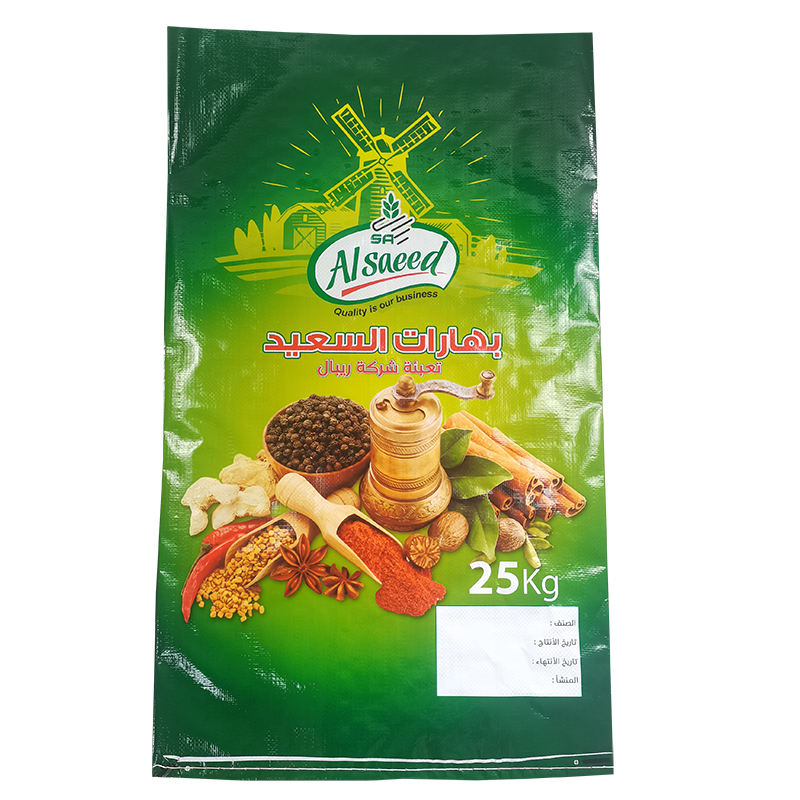
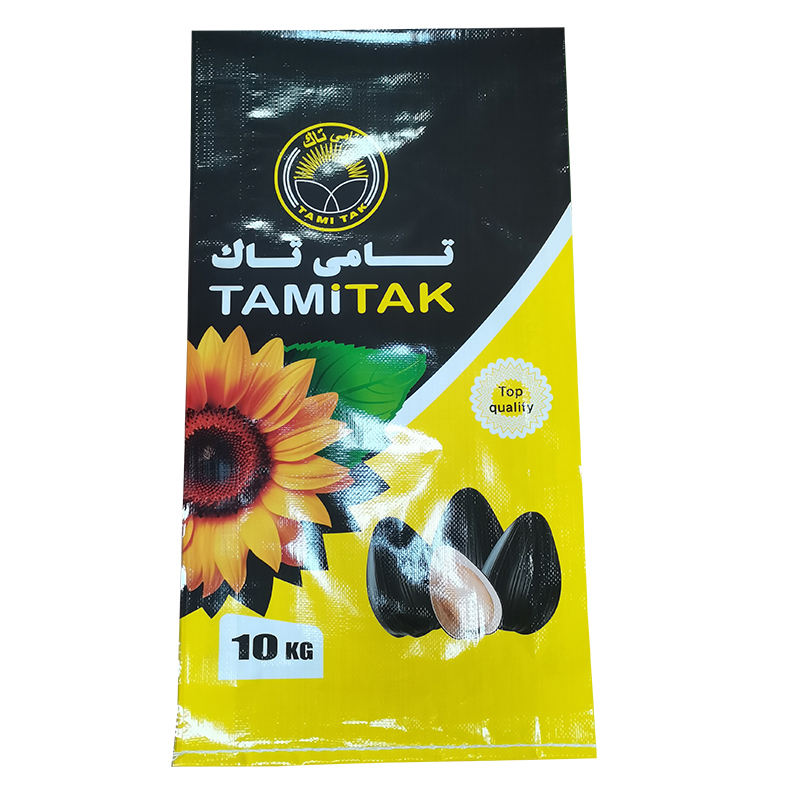

The composite BOPP woven bag for feed packaging is a precisely engineered multi-layer product. Each layer and construction detail is selected to address the specific challenges of feed packaging: heavy loads, dusty contents, moisture sensitivity, rough handling, outdoor storage, and competitive retail branding. The key structural elements are as follows:
Material: Polypropylene (PP) woven fabric; virgin PP recommended for feed applications requiring consistent quality and clean appearance; recycled PP options available for non-food-contact industrial feed applications
Weave type: Circular woven (tubular) for seamless body construction, or flat-woven for specific bag configurations
Weave density: Typically 10×10, 11×11, or 12×12 mesh — tighter weaves reduce feed dust leakage and provide a smoother lamination surface
Fabric weight (GSM): Configurable based on target load:
5–10 kg bags: 60–90 GSM
25 kg bags: 90–120 GSM
50 kg bags: 100–150+ GSM
Tape denier: 700D–1200D; selected to match load weight and expected handling severity
Color: White, natural, grey, or custom colors — white fabric preferred for retail pet food and premium feed; natural/grey common for bulk agricultural feed
Film thickness: Typically 18–30 microns; thicker films provide greater moisture barrier and surface durability
Lamination method: BOPP film is extrusion-laminated onto one or both sides of the PP woven fabric, creating a PP/PP mono-material composite that is significantly more recyclable than mixed-material laminates
Surface finish:
Glossy: Bright, vibrant surface for maximum shelf impact on retail pet food and premium feed
Matte: Smooth, sophisticated finish for understated brand positioning
Functional benefits:
Moisture barrier: Reduces water vapor transmission, protecting feed from humidity-induced spoilage, caking, mold growth, and mycotoxin risk
Dust containment: Sealed surface minimizes leakage of fine feed particles and dust, reducing product loss and improving handling cleanliness
Print surface: Smooth, non-porous surface supports high-resolution rotogravure printing with exceptional color accuracy and detail
Abrasion resistance: Film layer protects printed graphics and fabric surface from handling wear
The defining environmental advantage of this bag is its PP-only construction:
| Component | Material | Recyclability |
|---|---|---|
| Woven fabric | Polypropylene (PP) | Recyclable |
| Laminate film | Polypropylene (BOPP) | Recyclable |
| Thread / stitching | Polypropylene (PP) | Recyclable |
| Composite | PP/PP mono-material | Recyclable as single PP stream |
Unlike bags that laminate PE film onto PP fabric, or combine paper with plastic layers, the PP/PP composite can be processed through a single recycling stream without the need for material separation. This significantly improves the practical recyclability of the bag and supports compliance with emerging Extended Producer Responsibility (EPR) regulations and plastic packaging waste directives in markets such as the European Union, United Kingdom, and other jurisdictions implementing circular economy legislation.
| Target Load | Common Feed Application | Typical Dimensions |
|---|---|---|
| 5 kg | Pet food, premium retail feed | 35×55 cm to 40×60 cm |
| 10 kg | Pet food, small animal feed | 40×65 cm to 45×70 cm |
| 20–25 kg | Poultry feed, fish feed, livestock feed | 50×80 cm to 55×90 cm |
| 40–50 kg | Bulk poultry, cattle, swine feed | 55×90 cm to 60×105 cm |
Note: Dimensions are fully adjustable. Side gussets can be added for increased volume and pallet stability.
Top closure options:
Heat-cut top — clean edge; efficient for automated bagging lines
Folded and sewn hem — reinforced edge; strong closure for manual filling
Drawstring — quick closure for smaller operations
Valve top — for high-speed valve bagging machines in large feed mills
Bottom construction options:
Single or double stitching — standard for 5–25 kg bags
Reinforced double-fold bottom — recommended for 40–50 kg bags and export
Overlock stitch — maximum seam security for rough handling conditions
| Feature | Purpose |
|---|---|
| PE inner liner | Additional moisture barrier for sensitive feed formulations, aquaculture feed, or humid-climate storage |
| Anti-slip treatment | Surface coating or textured lamination to improve pallet stack stability during transport |
| UV stabilization | Prevents fabric degradation for outdoor storage exceeding a few weeks |
| Anti-static treatment | Required for feeds containing fine, combustible dust or volatile ingredients |
| Micro-perforation | Controlled ventilation for feeds requiring breathability during storage |
The PP/PP composite structure is the core environmental benefit. By using polypropylene for both the woven fabric and the laminate film, the bag avoids material-mixing that complicates recycling. This positions the product favorably under EPR schemes, plastic tax regulations, and corporate sustainability reporting frameworks — a growing competitive advantage as feed companies face increasing pressure from retailers, consumers, and regulators to adopt circular packaging.
Feed packaging faces unique challenges: heavy loads (up to 50 kg), dusty and abrasive contents, humidity sensitivity, rough handling in agricultural logistics, and often extended outdoor storage. The composite BOPP woven bag is specifically engineered to address every one of these challenges — from reinforced seams and high-GSM fabric to moisture-barrier lamination and UV stabilization.
The BOPP laminate surface supports high-resolution rotogravure printing with up to 8–10 colors. Feed manufacturers can print vivid product imagery, nutritional information, feeding guidelines, species-specific icons, brand logos, regulatory compliance marks, barcodes, and QR codes — creating a professional, informative package that builds brand trust at the point of sale.
The BOPP film layer dramatically reduces moisture ingress and feed dust egress. This protects feed quality (preventing caking, mold, and nutrient degradation), reduces product loss, and keeps warehouses, trucks, and retail environments cleaner.
When anti-slip treatment is applied, stacked bags maintain their position on pallets during truck transport, container shipping, and warehouse storage. This reduces load shifting, pallet collapse, product damage, and safety incidents — a critical advantage in feed logistics where 50 kg bags are stacked high.
The same bag platform can be adapted for diverse feed products by adjusting dimensions, GSM, liner, and closure:
Poultry feed (broiler, layer, chick starter)
Livestock feed (cattle, swine, goat, sheep)
Aquaculture feed (fish, shrimp — often requiring enhanced moisture barrier)
Pet food (dry kibble, treats — often requiring premium print and retail presentation)
Feed premix and concentrates (smaller bags with precise labeling)
The composite BOPP woven bag is designed for:
Animal Feed Products:
Poultry feed (broiler finisher, layer mash, chick starter, grower)
Cattle feed and mineral supplements
Swine feed (starter, grower, finisher)
Fish and shrimp feed (aquaculture)
Pet food (dog food, cat food, bird seed, small animal feed)
Feed premixes, vitamin-mineral concentrates, and specialty additives
Packaging Environments:
Feed mills and compound feed plants
Automated bagging lines (open-mouth and valve)
Manual and semi-automatic packing stations
Palletized warehouse storage
Container shipping for export
Retail display (pet food and premium feed)
Specify feed type and moisture sensitivity when ordering.
Different feeds have different packaging requirements. Aquaculture feed and oil-rich pet food may need enhanced moisture barriers (thicker lamination or PE liner). Dry, dusty bulk poultry feed may prioritize dust containment and anti-slip stacking. Provide your feed specifications so the bag can be correctly engineered.
Use food-grade materials for pet food and feed intended for food-producing animals.
Confirm that PP resin, BOPP film, inks, and coatings comply with relevant regulations of your destination market. Request compliance documentation from your supplier.
Reinforce seams for 50 kg feed sacks.
Feed bags experience significant stress during automated filling, drop impacts, and multi-layer stacking. Specify double-stitched or overlocked bottom seams with reinforced construction for 40–50 kg loads.
Use UV-treated fabric for outdoor storage.
Feed bags are often stored outdoors at farms, dealerships, and distribution points. UV-stabilized fabric prevents degradation and maintains bag strength during extended sunlight exposure.
Store filled bags on pallets under cover.
Although BOPP lamination improves moisture resistance, prolonged exposure to standing water or extreme humidity can compromise feed quality. Use covered, ventilated storage wherever possible.
Apply anti-slip treatment for container export.
Feed bags stacked in ocean containers experience significant vibration and shifting during transit. Anti-slip treatment on one or both sides dramatically reduces load movement and pallet collapse risk.
Verify recycling infrastructure in your market.
While the PP/PP mono-material design is theoretically recyclable as a single stream, practical recycling depends on local collection and processing infrastructure. If promoting the bag's recyclability, ensure your claims are substantiated by actual recycling pathways available in your market.
Q1: What makes this bag "eco-friendly" compared to standard feed bags?
A: The key environmental advantage is the PP/PP mono-material composite — both the woven fabric and the laminate film are polypropylene. This makes the bag significantly easier to recycle than mixed-material alternatives (e.g., paper/PE or PET/PP composites) because it does not require material separation before reprocessing.
Q2: Can I use this bag for pet food?
A: Yes. Pet food is one of the primary applications. The bag's superior print quality, moisture barrier, and professional appearance make it ideal for retail pet food packaging in 5 kg, 10 kg, and 20 kg formats. Food-grade materials and inks can be specified.
Q3: Is this bag suitable for aquaculture feed?
A: Yes, with appropriate specifications. Aquaculture feed is often oil-rich and moisture-sensitive. We recommend thicker BOPP lamination (25–30 microns) and optionally a PE inner liner for maximum moisture and oxygen barrier.
Q4: What anti-slip options are available?
A: Anti-slip treatment can be applied as a textured anti-slip film laminated onto the bag surface, or as an anti-slip varnish/coating applied over the standard laminate. Both options significantly improve pallet stack stability. Treatment can be applied to one side or both sides.
Q5: What print quality can I expect?
A: BOPP lamination supports high-resolution rotogravure printing with up to 8–10 colors. You can achieve photographic-quality images, sharp text, detailed nutritional panels, barcodes, QR codes, and vibrant brand graphics.
Q6: What is the minimum order quantity (MOQ)?
A: MOQ depends on bag size, GSM, printing complexity, and customization level. For standard printed feed bags, MOQ typically starts at 10,000–20,000 pieces. Please contact us with your specifications for an exact quote.
Q7: What is the lead time?
A: Standard lead time is 25–35 days after design approval, depending on quantity, printing complexity, and production schedule. Pre-production samples are provided for approval before mass production.
Q8: What payment terms do you accept?
A: We accept T/T (deposit + balance before shipment) and L/C at sight. Flexible terms may be available for large or recurring orders.
Q9: Can I add a PE inner liner?
A: Yes. A PE inner liner is available for applications requiring enhanced moisture protection — particularly aquaculture feed, oil-rich pet food, humid-climate storage, and export shipments.
Q10: How are bags packed for shipping?
A: Finished bags are typically compressed and baled in bundles of 500 or 1,000 pieces, strapped for container shipping. Packing method can be customized based on your receiving capabilities.


