

close
Choose Your Site
Global
Social Media
Views: 251 Author: Site Editor Publish Time: 2026-01-23 Origin: Site


Key Material Factors That Determine the Lifespan of Non-Woven Fabric
How Application Scenarios Affect the Lifespan of Non-Woven Fabric
Environmental Conditions and Their Impact on Non-Woven Fabric Durability
Comparing Lifespan Across Different Types of Non-Woven Fabric
How to Extend the Lifespan of Non-Woven Fabric in Real-World Use
The lifespan of non-woven fabric is a critical performance indicator across industries ranging from medical and hygiene to construction, agriculture, and industrial filtration. Unlike traditional woven textiles, non-woven fabric is engineered for specific functional outcomes rather than indefinite durability. Its lifespan depends on material composition, bonding technology, structural design, environmental exposure, and usage intensity. Understanding how long non-woven fabric lasts is essential for making informed decisions related to cost efficiency, safety, sustainability, and performance reliability.
This article provides a comprehensive, application-driven analysis of what determines the lifespan of non-woven fabric, how long different types typically last, and what practical steps can be taken to maximize their usable life without compromising performance or environmental responsibility.
The lifespan of non-woven fabric should be understood as functional durability rather than permanent material survival. In most cases, non-woven fabric is designed to perform reliably for a predefined period under specific conditions. Once it no longer meets mechanical, hygienic, or protective requirements, it has effectively reached the end of its service life—even if the material itself has not physically disintegrated.
For disposable applications such as medical gowns or hygiene products, the lifespan may range from several hours to a single day. In contrast, durable non-woven fabric used in geotextiles, roofing membranes, or automotive interiors can last anywhere from 5 to over 25 years. The key distinction lies in design intent: disposable, semi-durable, or long-term structural use.
Functional lifespan is influenced by:
Fiber type and density
Bonding method (thermal, chemical, or mechanical)
Exposure to stress, moisture, UV radiation, and chemicals
Whether the fabric is Biodegradable, Waterproof, Flame retardant, or Laminated
Evaluating lifespan without context leads to misleading conclusions. A short lifespan does not imply poor quality—it often reflects optimized design for safety, hygiene, or environmental impact.
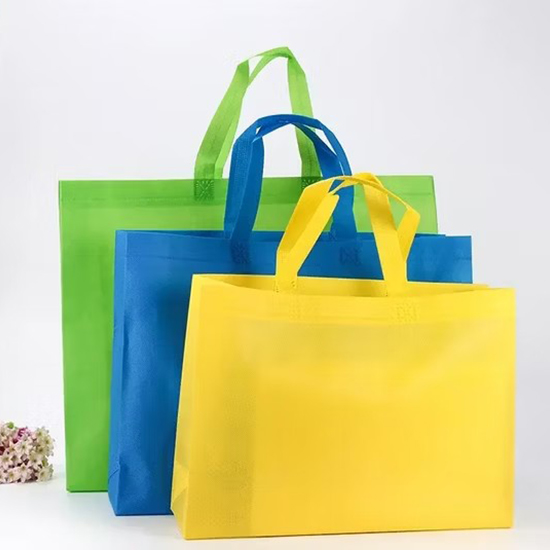
Material composition is the most decisive factor affecting how long non-woven fabric can maintain its intended performance. Different fibers and bonding technologies result in drastically different durability profiles.
Synthetic fiber-based non-woven fabric, such as polypropylene or polyester, typically exhibits high resistance to moisture, chemicals, and microbial growth. These materials are often chosen when a long service life or consistent mechanical strength is required. Fabrics engineered with High tensile strength can withstand repeated stress and deformation, extending their functional lifespan in demanding applications.
Natural or cellulose-based non-woven fabric, on the other hand, is frequently designed to be Biodegradable, prioritizing controlled degradation over long-term durability. While this limits lifespan, it supports sustainability goals in agriculture, packaging, and hygiene sectors.
Bonding method also matters:
Thermally bonded fabrics generally offer uniform strength and longer lifespan.
Needle-punched fabrics provide excellent tear resistance for structural uses.
Chemically bonded fabrics may degrade faster under moisture or heat.
The presence of additional treatments such as Waterproof, Flame retardant, or Laminated layers can significantly enhance durability but may alter recyclability or degradation behavior.
The intended application defines not only how long non-woven fabric lasts, but also how its lifespan should be measured. Usage frequency, mechanical stress, hygiene requirements, and safety standards all influence durability expectations.
In medical and hygiene applications, non-woven fabric is often single-use by design. Its lifespan is intentionally short to prevent contamination and ensure compliance with health regulations. Here, material integrity beyond the usage window is irrelevant.
In construction and civil engineering, non-woven fabric used as geotextiles must retain tensile strength and filtration capability for years, even decades. These fabrics are engineered for long-term exposure to soil pressure, moisture, and microbial environments.
Agricultural covers and crop protection fabrics often balance durability with Biodegradable properties. Their lifespan is typically aligned with growing cycles, after which controlled degradation becomes a functional advantage.
Industrial filtration fabrics experience continuous mechanical and chemical stress. Their lifespan is measured by performance decline rather than physical breakdown, with replacement scheduled once efficiency drops below acceptable thresholds.
Environmental exposure can significantly accelerate or extend the lifespan of non-woven fabric, regardless of its original design. UV radiation, temperature extremes, humidity, and chemical contact all play critical roles.
Prolonged UV exposure is one of the most common causes of premature degradation. Outdoor non-woven fabric without UV stabilization may lose tensile strength rapidly, while treated variants can maintain performance for years.
Moisture affects lifespan differently depending on material choice. Synthetic Waterproof non-woven fabric resists hydrolysis and mold growth, whereas cellulose-based fabrics may degrade faster in humid environments—sometimes intentionally.
Temperature fluctuations can cause thermal expansion and contraction, weakening bonding points over time. Laminated non-woven fabric often performs better under these conditions due to added structural layers.
Chemical exposure, including fertilizers, oils, and cleaning agents, may break down fibers or bonding agents, shortening functional lifespan. Selecting chemically resistant fibers is essential in industrial environments.
The table below provides a comparative overview of typical lifespan ranges based on material type and application context:
| Type of Non-Woven Fabric | Key Properties | Typical Lifespan |
|---|---|---|
| Spunbond Synthetic | High tensile strength, durable | 5–25 years |
| Meltblown | Fine filtration, low strength | Hours to weeks |
| Needle-punched | Thick, abrasion resistant | 10–30 years |
| Biodegradable non-woven fabric | Eco-friendly, controlled decay | Weeks to months |
| Laminated non-woven fabric | Multi-layer protection | 8–20 years |
| Recycled non-woven fabric | Sustainable, variable strength | 3–15 years |
These ranges assume proper installation and normal operating conditions. Misuse or harsh environments can significantly reduce lifespan.
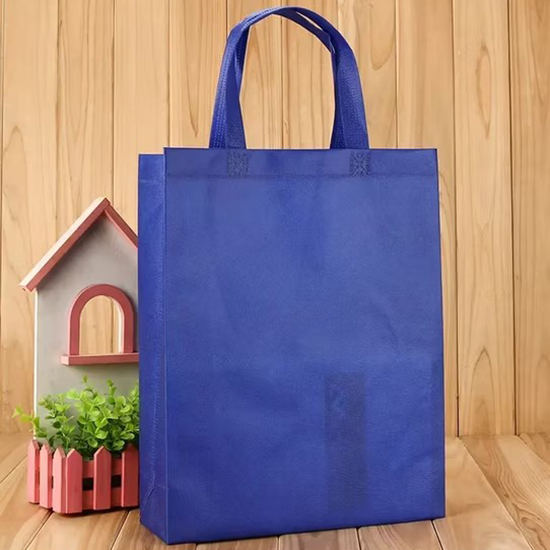
Maximizing the lifespan of non-woven fabric starts with correct material selection. Choosing a fabric engineered for the specific mechanical, environmental, and regulatory demands of the application is more effective than attempting post-installation fixes.
Proper storage prior to use is often overlooked. Exposure to UV light, moisture, or excessive heat during storage can reduce performance before the fabric is even deployed.
Installation practices also matter. Avoiding excessive tension, abrasion, or puncturing during installation preserves structural integrity. For reusable applications, regular inspection helps identify early signs of degradation.
When applicable, cleaning protocols should align with material limitations. Aggressive chemicals or high-temperature washing can shorten lifespan, especially for Recycled or chemically bonded non-woven fabric.
Finally, combining durability with sustainability—such as selecting Flame retardant fabrics only when necessary—ensures that extended lifespan does not come at the cost of environmental responsibility.
The lifespan of non-woven fabric is increasingly evaluated alongside its environmental footprint. Longer-lasting materials reduce replacement frequency but may pose recycling challenges. Conversely, Biodegradable non-woven fabric supports waste reduction but requires precise lifespan control.
Recycled non-woven fabric offers a balance between durability and sustainability, though performance consistency may vary depending on source material quality. Designing products with clear end-of-life pathways—reuse, recycling, or controlled degradation—is now a key part of lifespan planning.
In many cases, the “optimal” lifespan is not the longest possible one, but the one that best matches functional needs while minimizing environmental impact.
The lifespan of non-woven fabric is not a fixed value but a performance window shaped by material choice, application demands, and environmental exposure. From single-use hygiene products to decades-long infrastructure solutions, non-woven fabric demonstrates exceptional versatility by aligning durability with purpose.
Understanding what determines lifespan enables better material selection, cost control, and sustainability outcomes. By focusing on functional durability rather than material permanence, industries can fully leverage the advantages of non-woven fabric while meeting evolving performance and environmental expectations.
Q1: Does thicker non-woven fabric always last longer?
Not necessarily. Lifespan depends more on fiber type, bonding method, and application stress than thickness alone.
Q2: Is biodegradable non-woven fabric less durable?
It is designed for a shorter, controlled lifespan, but within its intended use period, performance is reliable.
Q3: Can non-woven fabric last for decades?
Yes. Certain synthetic, needle-punched, or laminated non-woven fabrics can exceed 20 years in structural applications.
Q4: How does recycled content affect lifespan?
Recycled non-woven fabric can offer good durability, but lifespan may vary depending on material consistency and processing quality.
Q5: When should non-woven fabric be replaced?
Replacement is recommended when the fabric no longer meets its functional or safety requirements, regardless of physical appearance.


