

close
Choose Your Site
Global
Social Media
Views: 0 Author: Site Editor Publish Time: 2026-03-20 Origin: Site


Polypropylene Woven Bags: Engineering Excellence in Bulk Packaging Solutions
Although the robust PP woven bag is often viewed as a simple industrial commodity, it serves as a powerful solution for bulk packaging and supply chain reliability. Selecting the wrong specification—whether insufficient tape denier, low weave density, or poor seam reinforcement—can lead to bag failure, product loss, and increased operational costs. Bursting seams, moisture damage, and customer dissatisfaction often stem from overlooking critical technical details during procurement.
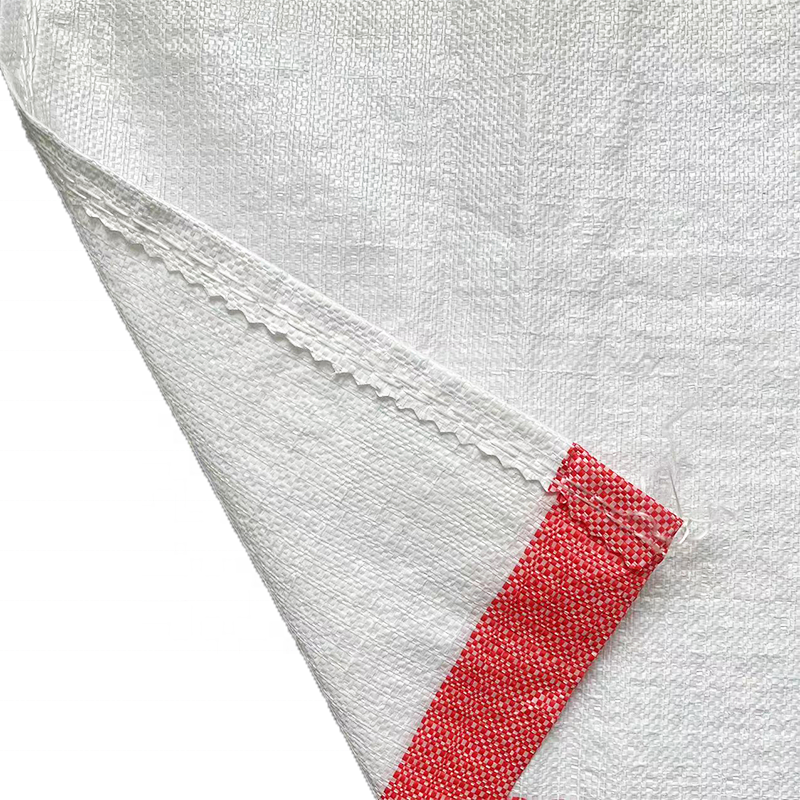
At its core, a PP woven bag is a high-strength packaging solution manufactured from polypropylene tapes. These tapes are extruded, stretched for molecular orientation, and interlaced on circular looms using warp and weft patterns to create a durable fabric. It remains the global standard for agricultural, construction, food, and chemical bulk packaging because it perfectly balances tensile strength with cost-efficiency and customization. This guide moves beyond basic definitions to explore material engineering, real-world applications, and how to audit quality for better ROI and fewer supply chain disruptions.
Key Takeaways
◆ Structural Integrity: The interlaced tape structure provides excellent tensile strength and tear resistance while maintaining shape under heavy loads—ideal for 25kg–100kg bulk sacks.
◆ Industrial Versatility: Available in multiple sizes, colors, and configurations with options for lamination, liners, and valves, making every bag a functional carrier for your products.
◆ Cost vs. Performance: Offers a lower Total Cost of Ownership (TCO) due to high durability, low breakage rates, reusability in secondary applications, and competitive material costs compared to jute or multi-wall paper sacks.
◆ Selection Criticality: Success depends on specifying the right tape denier, weave density, GSM, closure type, and lamination based on product characteristics and handling conditions.
◆ Sustainability Edge: Made from recyclable polypropylene (resin code 5), supporting circular economy goals and compliance with modern environmental regulations.
Technical Anatomy: Understanding the PP Woven Structure
To procure the right packaging, you must understand the engineering behind the fabric. The strength of a PP woven bag comes from mechanical interlacing of oriented tapes, not simple bonding.
The Woven Tape Process
Polypropylene resin is melted and extruded into flat tapes, which are then monoaxially stretched to align polymer chains and increase tensile properties. These oriented tapes (typically 800–2500 denier) are fed into circular looms where they interlace in a stable tubular pattern, usually 10–16 picks per inch. The resulting tube is cut to length, folded, and converted into finished bags using stitched or heat-sealed seams. The result is a material with grid-like reinforcement that distributes stress evenly. It is strong, dimensionally stable, and resistant to punctures and abrasion. These properties make it ideal for heavy-duty bulk packaging, where reliability under load and during transport is essential.
PP Woven Configurations: A Selection Framework
Buyers should evaluate different PP woven constructions based on application needs rather than appearance alone.
◆ Standard Woven Sack: Basic tubular or flat construction with visible tape pattern. Offers excellent breathability and strength for dry goods like grains or animal feed.
◆ Laminated Woven Bag: Features a thin BOPP or PE film bonded to the surface. Provides superior moisture protection, enhanced print quality, and a smoother finish for branded or export packaging.
◆ Lined or Gusseted Variants: Internal liners add barrier properties while gussets improve volume and stack stability. These are preferred for powders, food ingredients, or retail-style presentation. For industrial bulk applications involving 25–100kg loads, standard or laminated PP woven constructions deliver the best performance. The choice depends on whether priority is breathability, moisture barrier, or visual appeal.
Material Properties
The physical characteristics of PP woven fabric deliver clear advantages in demanding environments.
◆ Tensile Strength: Interlaced tapes provide high bidirectional strength, often exceeding 100kg per linear meter, making the bags suitable for heavy filling and stacking.
◆ Puncture and Tear Resistance: The woven matrix resists damage from sharp edges or rough handling better than many alternative materials.
◆ Moisture Management: Base fabric is hydrophobic; lamination adds full waterproofing for hygroscopic products like cement or fertilizers.
◆ Chemical Resistance: Polypropylene withstands many industrial chemicals, fertilizers, and salts without degradation. ◆ Lightweight Efficiency: Despite high strength, the bags remain relatively light, reducing shipping costs and improving handling.
◆ Print Receptivity: Surfaces accept clear branding through flexographic or gravure methods, especially when laminated.
Core Applications and Use Cases
Agriculture and Bulk Commodities
PP woven bags dominate agricultural packaging for rice, wheat, maize, seeds, and animal feed. They protect contents from pests and moisture while allowing controlled ventilation in non-laminated versions. Gusseted designs increase capacity, and valve bags enable fast automated filling.
Construction Materials Packaging
Cement, gypsum, mortar, and aggregates require robust packaging that withstands vibration and stacking. Laminated PP woven bags with reinforced seams prevent dust leakage and maintain integrity on construction sites or during long-distance transport.
Food and Ingredient Packaging
Flour, sugar, salt, starch, and pulses are commonly packed in food-grade PP woven bags, often with internal PE liners for hygiene. These bags maintain product freshness, reduce contamination risk, and support clear labeling for traceability.
Chemicals and Industrial Powders
PP woven bags are widely used for fertilizers, resins, minerals, and chemical powders. Anti-static options and sift-proof seams prevent leakage of fine particles, while UV stabilization supports outdoor storage.
Export and Branded Logistics
For international shipments, custom-printed laminated PP woven bags serve both protective and marketing functions. Consistent branding, barcodes, and handling instructions help streamline global supply chains.
Configuration Options: Choosing the Right Bag
Tape Denier, Weave Density and GSM
Fabric performance is determined by technical specifications. Match these to your load and environment.
◆ 800–1200 denier with 10×12 weave: Suitable for lighter 25–40kg agricultural loads
◆ 1500–2000 denier with 12×12 to 14×14 weave: Standard for 50kg bags
◆ 2200+ denier with 16×16 weave: Heavy-duty for 75–100kg dense materials Typical GSM ranges from 65–160 g/m². Lamination adds 10–20 g/m² for extra protection.
Closure Type | Key Feature | Best For |
Open Mouth | Simple cut top with sewn bottom | Manual filling, general bulk |
Valve Bag | Self-closing filling valve | Automated lines, powders |
Gusseted with Hem | Side folds and reinforced top | Improved volume and appearance |
Drawstring or Loop | Cord closure or fabric handles | Portable or reusable applications |
Reinforced Seam | Double stitching or tape insertion | Heavy loads and maximum durability |
Printing Excellence
PP woven bags support high-quality printing for branding and information:
● Flexographic Printing: Cost-effective for multi-color logos, batch codes, and handling instructions on high-volume orders. ● Gravure Printing: Delivers sharp, photographic-quality images on laminated surfaces for premium products.
● Surface Treatment: Corona treatment improves ink adhesion for long-lasting print durability. Advanced color matching ensures brand colors are reproduced accurately across production runs.
Evaluating Quality and ROI
Key Quality Metrics
● Consistent tape denier and weave density for uniform strength
● Seam burst strength exceeding 150% of rated capacity
● Print rub and adhesion tests for durability during handling ● Drop and stacking performance under real load conditions ● Lamination bond integrity and liner placement accuracy Virgin vs. Recycled Material
◆ Virgin PP: Provides maximum strength, color consistency, and food-contact safety. Recommended for sensitive applications.
◆ Recycled PP: Offers environmental benefits and cost savings when properly processed. Suitable for non-food industrial uses with quality verification.
Total Cost of Ownership
Choosing the cheapest bag often leads to higher long-term costs through product damage, repacking labor, and lost customer trust. Quality PP woven bags reduce breakage to below 1%, allow denser pallet stacking, and extend marketing reach through durable branding. The hidden ROI comes from reliability that protects both product and reputation. Implementation and Compliance
UV Stabilization
For bags stored or transported outdoors, UV masterbatch additives (typically 2%) prevent degradation and maintain strength after months of sun exposure.
Regulatory Compliance
● Food Contact: FDA and LFGB compliant grades available with proper documentation.
● Hazardous Materials: UN-certified constructions for chemical transport.
● Environmental Standards: Meets REACH, EPR, and recyclability requirements in major markets.
● Hygiene Certifications: BRC/IOP standards for food-grade supply chains.
Conclusion
PP woven bags represent the perfect blend of mechanical strength, customization, and economy for bulk industrial packaging. They are not just containers—they are engineered solutions that protect product value, improve logistics efficiency, and support brand consistency. Your procurement strategy should follow a clear matrix: define load weight, product characteristics, storage conditions, closure requirements, and printing needs. Test samples thoroughly before committing to large orders. A small investment in validation prevents costly failures and brand damage in the field.
FAQ
Q: What makes PP woven bags different from other packaging materials?
A: PP woven bags use interlaced polypropylene tapes to create a strong grid structure ideal for heavy bulk loads. They offer better strength-to-weight ratio than jute and superior durability compared to paper sacks.
Q: Can I get any color or print design for my PP woven bags?
A: Yes. PP woven fabric supports a wide range of colors through masterbatch and accepts high-quality flexographic or gravure printing for logos, warnings, and traceability data.
Q: How well does printing hold on PP woven bags?
A: Excellent when using proper surface treatment or lamination. Quality prints remain legible through handling, stacking, and transport.
Q: Are PP woven bags durable enough for repeated use?
A: Yes. Properly specified bags (70+ GSM with reinforced seams) can withstand multiple filling and transport cycles while resisting tears and abrasion.
Q: How much weight can PP woven bags hold?
A: Typical capacities range from 25kg to 100kg depending on denier, weave density, and seam construction. Always match specification to actual product density and handling method.
Q: Can PP woven bags be recycled?
A: Yes, they are fully recyclable as resin code 5 polypropylene. Many supply chains encourage reuse before recycling to maximize environmental benefit.
Q: Are they waterproof?
A: The base fabric is water-resistant. Adding BOPP lamination or an internal liner creates effective moisture barrier protection for sensitive goods.
Q: Why choose PP woven bags over alternatives?
A: They provide superior tensile strength, lower cost per use, better printability, and lighter weight than jute or paper while meeting diverse industrial requirements.


